By Iliza Meman
What Is NAD+ and Its Functions
NAD+, or nicotinamide adenine dinucleotide, is a coenzyme that is present in every living cell of our human body and essential for life.
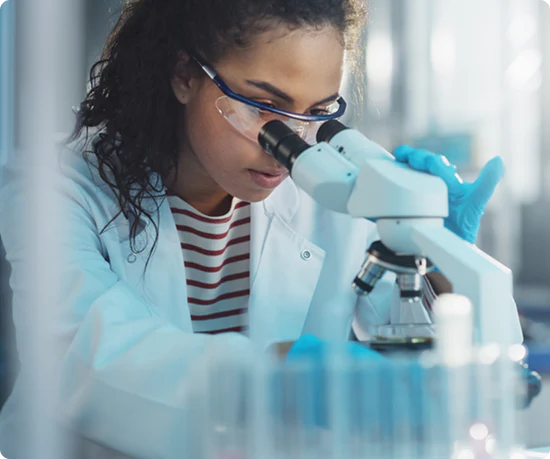
NAD+, or nicotinamide adenine dinucleotide, is a coenzyme that is present in every living cell of our human body and essential for life.
What Is NAD+? — The Basics
NAD+, short for nicotinamide adenine dinucleotide, is a naturally occurring coenzyme found in every living cell. Coenzymes are molecules that help enzymes perform vital chemical reactions in the body. NAD+ is essential for life — it’s involved in generating energy, repairing DNA, regulating metabolism, and more.
Unlike nutrients like vitamins or minerals that the body can store, NAD+ levels are constantly used and recycled. As we age, NAD+ levels gradually decline, which is linked to decreased energy, slower cellular repair, and age-related metabolic changes.
How NAD+ Works in the Body
1. Cellular Energy Production (ATP)
One of NAD+‘s most important roles is in metabolism. It acts as an electron carrier in redox reactions, helping convert nutrients into ATP (adenosine triphosphate) — the primary energy molecule cells use to power processes like muscle movement, brain activity, and metabolism.
When NAD+ accepts electrons, it’s converted to NADH (the “reduced” form), which then feeds those electrons into the mitochondria — the cell’s powerhouse — to make ATP. This cycle of NAD+ ↔ NADH is at the core of energy metabolism.
2. DNA Repair and Cellular Longevity
Cells constantly experience DNA damage due to aging, environmental stress, and normal metabolism. NAD+ acts as a cofactor for enzymes like sirtuins and PARPs, which help repair DNA, maintain genomic stability, and regulate gene expression.
This DNA repair function is a major reason why NAD+ is studied in relation to aging and longevity — because the ability to fix DNA damage is key to keeping cells functioning healthily over time.
3. Cellular Signaling and Homeostasis
Beyond energy and DNA repair, NAD+ plays roles in cellular communication and metabolic regulation. It helps coordinate signals between the cell’s nucleus and mitochondria, contributing to homeostasis — the body’s internal balance — and efficient responses to stress.
Why NAD+ Levels Decline With Age
Although the body can make NAD+ naturally from nutrients like vitamin B3 (niacin) and recycle it through salvage pathways, NAD+ levels drop as we age. Enzymes like CD38 and PARPs break down NAD+ more rapidly over time, while production slows — creating a net decline.
This decline is associated with:
- Lower cellular energy
- Reduced DNA repair activity
- Metabolic dysregulation
- Increased vulnerability to age-related conditions
Researchers observe this pattern in humans and many model organisms.
NAD+ in Everyday Biochemistry
NAD+ isn’t just a high-level concept — it’s part of several fundamental metabolic processes:
- Glycolysis: Helps convert glucose into usable energy
- Krebs Cycle: Participates in energy extraction from fats, amino acids, and sugars
- Electron Transport Chain: Feeds electrons to make ATP
- Redox Balance: Maintains balance between oxidation and reduction in cells, essential for metabolic reactions and controlling oxidative stress
NAD+ vs NADH — What’s the Difference?
NAD+ and NADH are two sides of the same coin:
- NAD+ — the “oxidized” form, accepting electrons
- NADH — the “reduced” form, carrying electrons to the mitochondria
The cycling between these forms drives energy production. While both are important, NAD+ is the form most associated with metabolic activation and longevity pathways.
Take-Home Message: Why NAD+ Matters
NAD+ is far more than another wellness buzzword — it’s a core biochemical molecule that fuels your cells, supports repair systems, and helps keep your metabolism running smoothly. Its central role in energy production, DNA repair, and cellular signaling explains why scientists are intensely interested in how to maintain or boost NAD+ levels for health and vitality.
Whether you’re curious about better energy, healthy aging, or cellular health, understanding the science of NAD+ gives you insight into your body’s most fundamental processes.